


A Key to Smarter Building Management Energy and Water Benchmarking
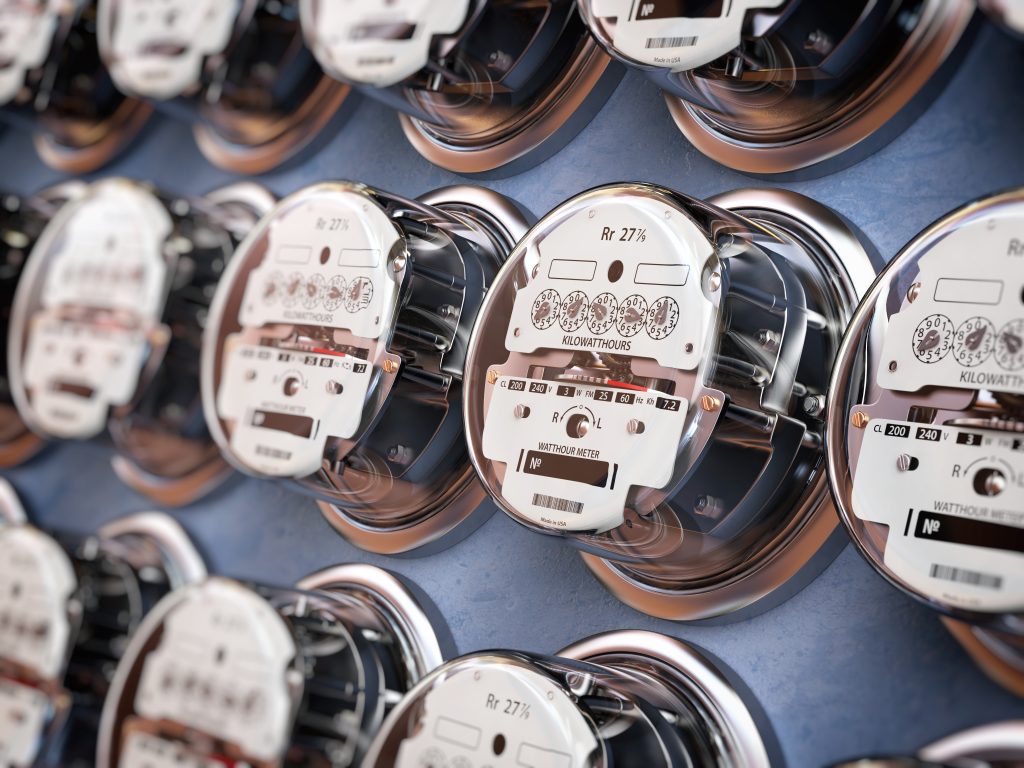
Energy and water costs often form the largest part of a building’s operating expenses. Ontario’s Regulation O.Reg. 506/18 mandates large buildings to report their annual energy and water usage to the Ministry of Energy by July 1st each year. This initiative, known as the Energy and Water Reporting and Benchmarking (EWRB), is designed to track and improve energy and water efficiency. Benchmarking is the process of comparing your building’s performance against established standards or industry averages, helping to identify areas for improvement.
Buildings with a gross floor area of 50,000 square feet or more are required to report their energy and water use.
Ensure timely compliance with Ontario’s regulations and gain valuable insights into your building’s efficiency performance with the help of Pather.
Comprehensive Benchmarking to Gain Insightful and Accurate Data
Our comprehensive approach provides you with a clear understanding of your building’s energy and water usage. We focus on:
- Precise Data Collection: Gathering accurate, real-time data to give you a full picture of your building’s energy and water consumption.
- Annualized Reporting: Offering detailed insights into your building’s performance over time, helping you track usage trends and identify areas for improvement.
- Pinpointing Anomalies: Identifying irregularities in your energy and water usage to uncover potential areas for savings and optimize overall efficiency.
Optimize Energy and Water Management with Benchmarking
We ensure your building is performing at its best through meticulous benchmarking and analysis, which includes:
- Benchmarking for Comparison: Comparing your building’s energy and water usage against similar buildings to gauge efficiency.
- Data-Driven Management: Empowering you to make informed decisions for smarter energy consumption and cost reductions.
What is the Benchmarking Process?
Collection of utility data for a minimum 12-months and building characteristics to generate an energy use intensity, water use intensity and green house gas intensity metrics with comparison to similar buildings as well as local, provincial and federal code metrics for perspective on where your assets stand within the built environment.
Data Collection
Request Submissions
Verification
Report Submission
What Happens During the Benchmarking Process?
Collection of utility data for a minimum 12-months and building characteristics to generate an energy use intensity, water use intensity and green house gas intensity metrics with comparison to similar buildings as well as local, provincial and federal code metrics for perspective on where your assets stand within the built environment.
Data Collection
Collection of building-specific information from the Owner, including aiding in the determination of your buildings Gross Floor Area (GFA), through review of existing drawings and/or on-site measurements.
Request Submissions
Submission of requests to your building’s electricity, gas and water providers for release of utility data.
Verification
We verify the energy and water usage data received from your local service providers in comparison to the national average for similar buildings.
Report Submission
We upload and submit the reporting data to the Ministry of Energy through the Energy Star Portfolio Manager website.
How EWRB Affects You

Who Must
Report?
Commercial, industrial, and multi-residential buildings with a gross floor area of 50,000 square feet or more are required to report their annual energy and water usage in Ontario. This regulation ensures that large buildings take proactive steps toward improving efficiency and sustainability.
EWRB Identification Number
The EWRB ID is a unique six-digit number assigned to your property by the Ministry of Energy. This ID remains consistent year after year, even if the building changes ownership, ensuring that your facility's data is tracked seamlessly and efficiently.
Reporting
Process
Energy Star Portfolio Manager is the official platform for reporting and benchmarking energy and water usage. All facility data is collected from utility bills and essential building details, making the reporting process simple and streamlined for your convenience.

Mandatory vs. Voluntary Reporting
While buildings under 50,000 square feet are not mandated to report, they can still use the system to assess their energy performance. Municipalities are also working on by-laws that could impose fines on non-compliant organizations, making it even more crucial to stay ahead of the curve.
Who Must
Report?
Commercial, industrial, and multi-residential buildings with a gross floor area of 50,000 square feet or more are required to report their annual energy and water usage in Ontario. This regulation ensures that large buildings take proactive steps toward improving efficiency and sustainability.
EWRB Identification
Number
The EWRB ID is a unique six-digit number assigned to your property by the Ministry of Energy. This ID remains consistent year after year, even if the building changes ownership, ensuring that your facility’s data is tracked seamlessly and efficiently.
Reporting
Process
Energy Star Portfolio Manager is the official platform for reporting and benchmarking energy and water usage. All facility data is collected from utility bills and essential building details, making the reporting process simple and streamlined for your convenience.
Mandatory vs. Voluntary Reporting
While buildings under 50,000 square feet are not mandated to report, they can still use the system to assess their energy performance. Municipalities are also working on by-laws that could impose fines on non-compliant organizations, making it even more crucial to stay ahead of the curve.
Have You Reported For 2024?
Energy and water usage can represent some of the largest operating costs in your building, take the next step in identifying these costs and understanding the measures to reduce them.